Meet our Alumni
Meet our Alumni
Our residency program alumni have made significant contributions to the field of occupational medicine through leadership, administrative, and clinical work across diverse practice settings.
Click on each profile below to learn more about our alumni professional journey and accomplishments.
Effiem J. Abbah MD, MPH, FACOEM (UCSF OEM 2007)
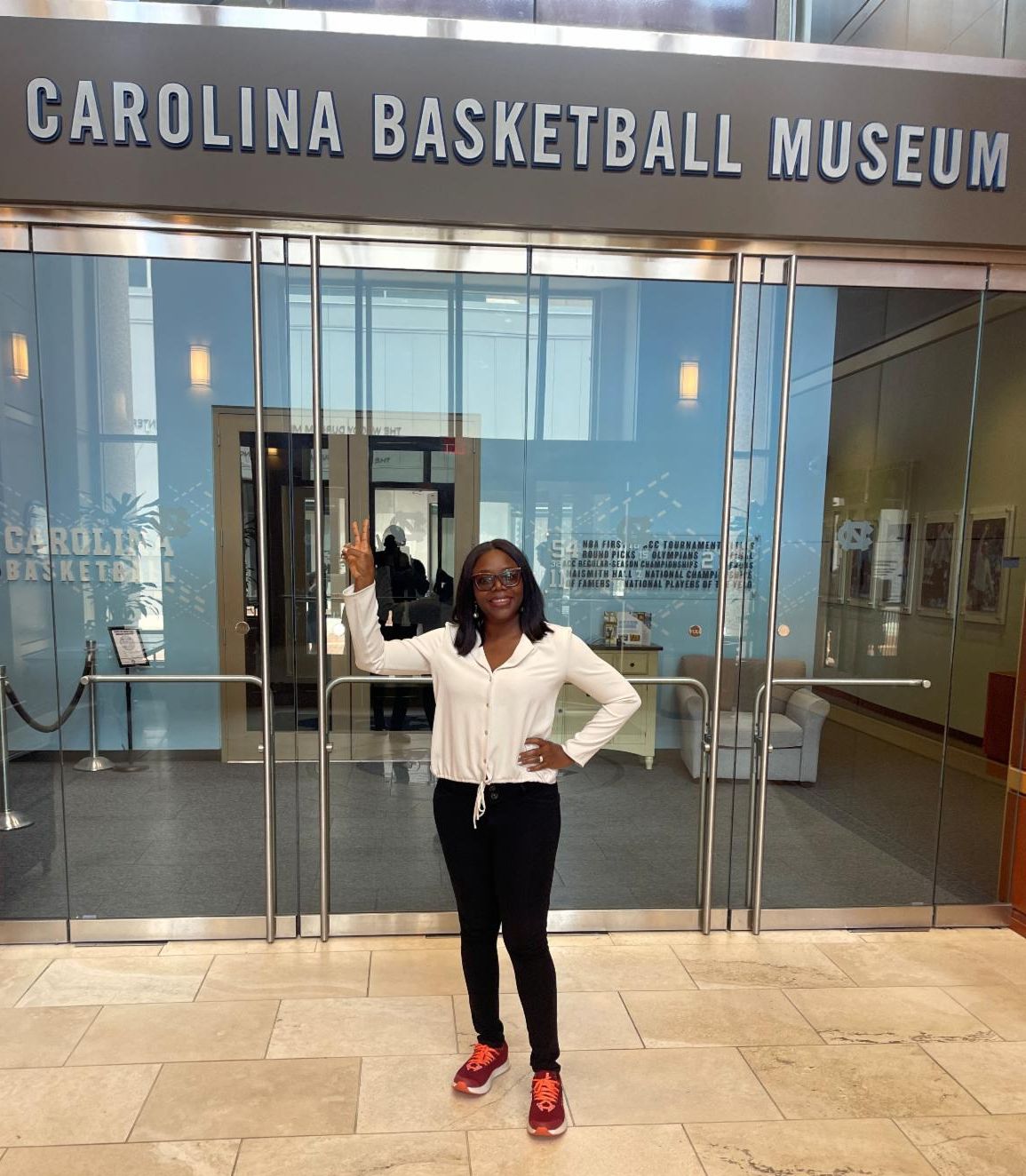
Where are you now?
I am currently the Occupational Health Manager of the global Clinical Center of Excellence for the Medicine and Occupational Health department at ExxonMobil headquarters in Houston, Texas. I am leading the team to embrace evolving technology and AI while balancing workplace changes occasioned by company wide organizational transformation.
Do you have any achievements you would like to share?
As the inaugural chair of the medical section of the Oil Producing Trade section (OPTS) a 28-company member trade association. I led the effort to prioritize COVID vaccination for the entire oil and gas industry workforce in Nigeria, thereby saving lives and ensuring business continuity for a critical sector in the country's economy. Over 11,000 oil and gas workers were vaccinated, and timely too!
Share one memory that you have from the OEM residency program.
I have several fond memories of the OEM residency program. One that makes me smile always, has nothing to do with the program itself, but
everything to do with the people in the program. It is the outpouring of care and attention I enjoyed from the team during my pregnancy and when baby Imo finally arrived. We still have a white custom hoodie towel Patty Quinlan made for Imo with his name on it! The OEM team was like family to me since I was thousands of miles from home and I will always appreciate them for that.
What advice do you have for the incoming/current residents?
Be curious and don't be afraid to explore new boundaries. The OEM team is there to support you in your career journey.
Robert Nate Clapp, MD, MPH (UCSF OEM 2020)
Where are you at now?
I am the Chief of Occupational Medicine and Employee Health Services at Kaiser Permanente Medical Center Fresno. I am 70% clinical and 30% administrative. The clinic sees employees from a broad range of industries (law enforcement, EMS, Fire Fighters, corrections, office work, education, fabrication, agriculture, construction, solar installation, healthcare, and transportation/delivery services ranging from city, county, state and federal employees).
What are the challenges that you're currently facing?
Our biggest challenge is staffing (absenteeism, intentional understaffing of support staff for budget purposes and inability to recruit occupational medicine physicians to the Fresno area (occurs at all work comp clinics in this area including our competitors). Additionally, access to specialists for workers' compensation cases is limited for many specialties and absent for pulmonology, neurology, wound care and some subspecialties of orthopedics.
Our clinic is the favored clinic by most insurers for severely injured patients. These factors combine to make it difficult to close cases in a timely manner, causing a backlog in patient panels. Priorities have been to empower support staff to preemptively solve small problems and gather reasonably anticipated information needed when bringing a task/issue to the providers. We have been actively trying to recruit physicians with broad experience and solid work ethic.
Share one memory that you have from the OEM residency program.
The site visits have given me a broader understanding of a number of industries, equipment, processes and hazards. Many of my patients will describe what they do and I will tell them a worksite I have visited and what I understand of a particular task. They are excited that I have an understanding of their work and will describe how their site may vary from what I describe, but they appreciate that I can speak their workplace, equipment and task language.
What advice do you have for the incoming/current residents?
Maximize the available patient experiences as a resident. Whether they intend to pursue a clinical career or not, they will need a solid clinical
background to make decisions, especially if they intend to be a medical director or affect policy.
Anthony Pacini, MD, MPH, MRO (UCSF OEM 2021)
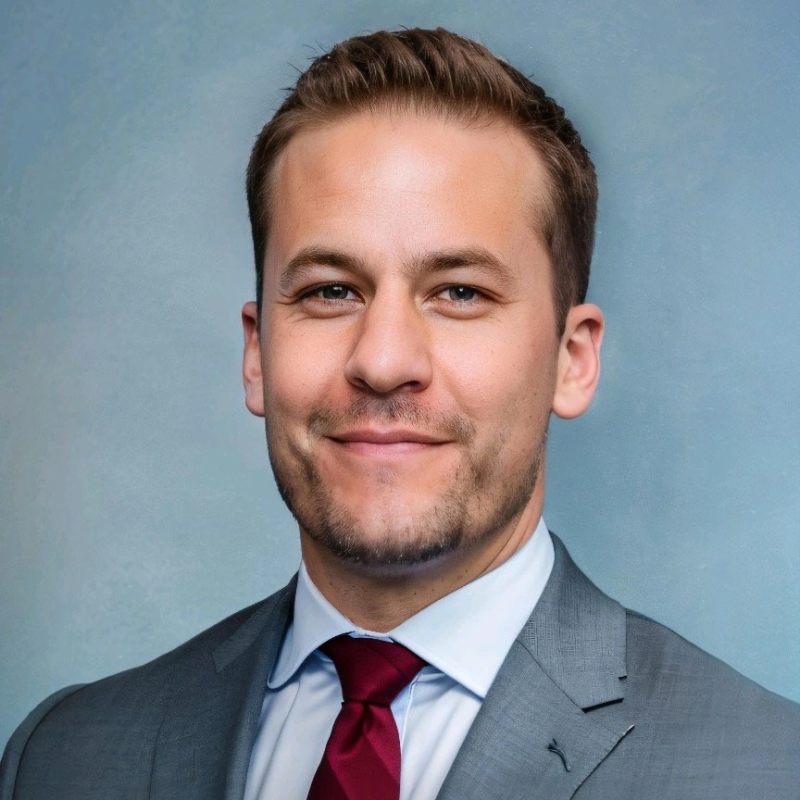
Where are you now?
In 2024, I completed my final three-year tour in Okinawa, Japan, and relocated to Hawaiʻi, where I now work as a staff physician with Hawaiʻi Permanente Medical Group. I currently serve as the sole occupational health provider at West O'ahu Medical Center, which serves a population with the highest proportion of Native Hawaiian and other Pacific Islander patients on O'ahu.
What are the challenges that you're currently facing?
This role presents unique challenges, including limited engagement with routine medical care and historical distrust of Western medicine among portions of the Native Hawaiian community. Additionally, Hawaiʻi’s high cost of living and strong cultural values around contribution to family and community result in many individuals remaining in physically demanding jobs well beyond traditional retirement age, often within multi-generational households. These factors contribute to a higher burden of chronic and cumulative work-related injuries in an aging workforce.
Care delivery is further complicated by limited specialty availability on the island and delays in accessing sub-specialty services. In addition to workers’ compensation and injury care, I support the Employee Health Department by overseeing the blood and body fluid exposure program, conducting pre-employment physicals, contributing to medical surveillance and policy development, and performing Medical Review Officer (MRO) services following recent certification.
My current focus is improving communication and collaboration between employers and occupational health services. I have conducted site visits and meetings with local employers, including Goodfellow Construction Company and Aulani, a Disney Resort & Spa, to better align occupational health practices with workplace demands.
Do you have any achievements you would like to share?
On November 7th, 2025, I was a speaker for the Work Injury Medical Association of Hawaii. The title of my talk is "Rewriting pain: Pathways, Mindset, and Function in Workers' Compensation Recovery".
Share one memory that you have from the OEM residency program.
Being in residency during the start of the COVID-19 Pandemic was full of pros and cons. One recurring memory I have is leaving the house to drive to the hospital without my "essential personnel" letter from law enforcement and worrying about being pulled over. I still have the letter to this day to look back on the crazy times that they were.
What advice do you have for the incoming/current residents?
Take advantage of engaging in discussions with staff and mentors. There is a collection of physicians, nurses, and other professionals associated with the UCSF program who truly are the masters of their trade. Don't take that for granted. Ask lots of questions.