
Occupational, Environmental, and Climate Medicine Research
Occupational, Environmental, and Climate Medicine Research
Our Division conducts research to understand and mitigate the health impacts of workplace exposures, as well as on environmental hazards and climate change. Our research faculty have long been leaders on occupational lung disease and ergonomics, and we also conduct research in many other areas. Learn more about our research faculty and about our past research topics below.
Click the plus sign to get a summary of each faculty member's research interests. Click the arrow to view the faculty's CV and publications on the UCSF profile page.
Our Research Faculty
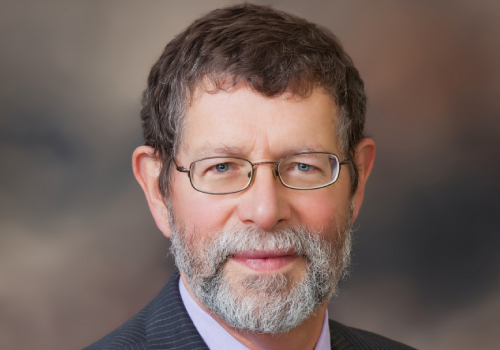
John Balmes, MD
John Balmes, MD has studied inhalational exposures to occupational and environmental hazards for 45 years. He has conducted both controlled human exposure studies of air pollutants such as ozone as well as epidemiologic studies in both adults and children of ambient traffic-related air pollution in the United States and household air pollution due to cooking with solid fuels in low-income countries around the world.
Relevant prior research has included work on asbestos-related lung disease, asthma, COPD, interstitial lung disease, ARDS, hypertension, childhood risk factors for metabolic syndrome, and immune dysfunction in children. Balmes has authored or co-authored over 400 peer-reviewed papers, chapters, and co-edited one major textbook of occupational and environmental respiratory disease.
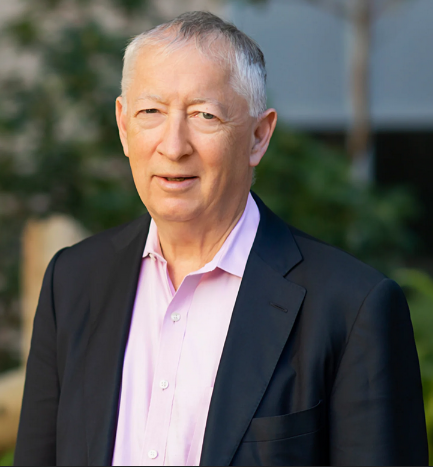
Paul Blanc, MD, MSPH
Paul Blanc, MD, MSPH has extensive research experience. Relevant prior research includes work on a range of work-related and environmental lung problems (including asthma, COPD, and various interstitial lung diseases), work-related quality of life and disability (including depression and anxiety), medical toxicology, and dust inhalation-associated inflammatory arthritis. He also carries out extensive research in the history of occupational medicine.
Blanc currently serves as Co-Editor-in-Chief for the Journal of Occupational Medicine and Toxicology. Blanc has authored over 300 peer-reviewed journal publications and also is the author of two books: How Everyday Products Make People Sick (UC Press, 2007) and Fake Silk: The Lethal History of Viscose Rayon (Yale University Press 2016).
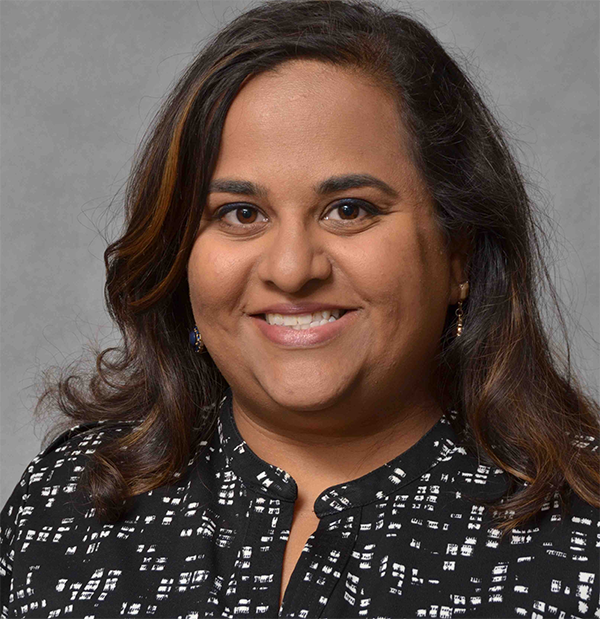
Sheiphali Gandhi, MD, MPH
Sheiphali Gandhi, MD, MPH, is an Assistant Professor at the University of California San Francisco in the Divisions of Occupational, Environmental, and Climate Medicine and Pulmonary, Critical Care, Sleep, and Allergy Medicine. She is a dual-boarded pulmonologist and occupational medicine physician specializing in occupational and environmental respiratory disease. She attends in the UCSF Occupational and Environmental Medicine specialty practice with an emphasis on occupational respiratory diseases and toxicology and on the inpatient pulmonary and critical care services at Zuckerberg San Francisco General Hospital.
Dr. Gandhi is the Director of the California Silicosis Support and Research Network based at UCSF. Additionally, she is the Associate Director of the San Francisco Veteran's Association Post-Deployment Cardiopulmonary Evaluation Network. Her research concentrates on the epidemiology of interstitial lung disease, including pneumoconiosis, and the occupational contributions to health disparities.
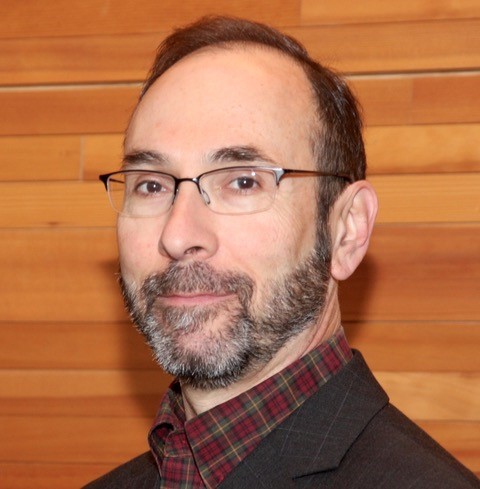
Samuel Goldman, MD, MPH
Dr. Goldman is Emeritus Professor at the University of California, San Francisco in the Division of Occupational, Environmental, and Climate Medicine, and a Principal Investigator at the San Francisco VA. Dr. Goldman trained in Preventive Medicine and Environmental Health Sciences at UC Berkeley. His work focuses on the environmental epidemiology of Parkinson’s disease and other neurodegenerative disorders, including the risks associated with exposure to pesticides, solvents, and traumatic brain injury, and the interaction of these exposures with genetic susceptibility factors.
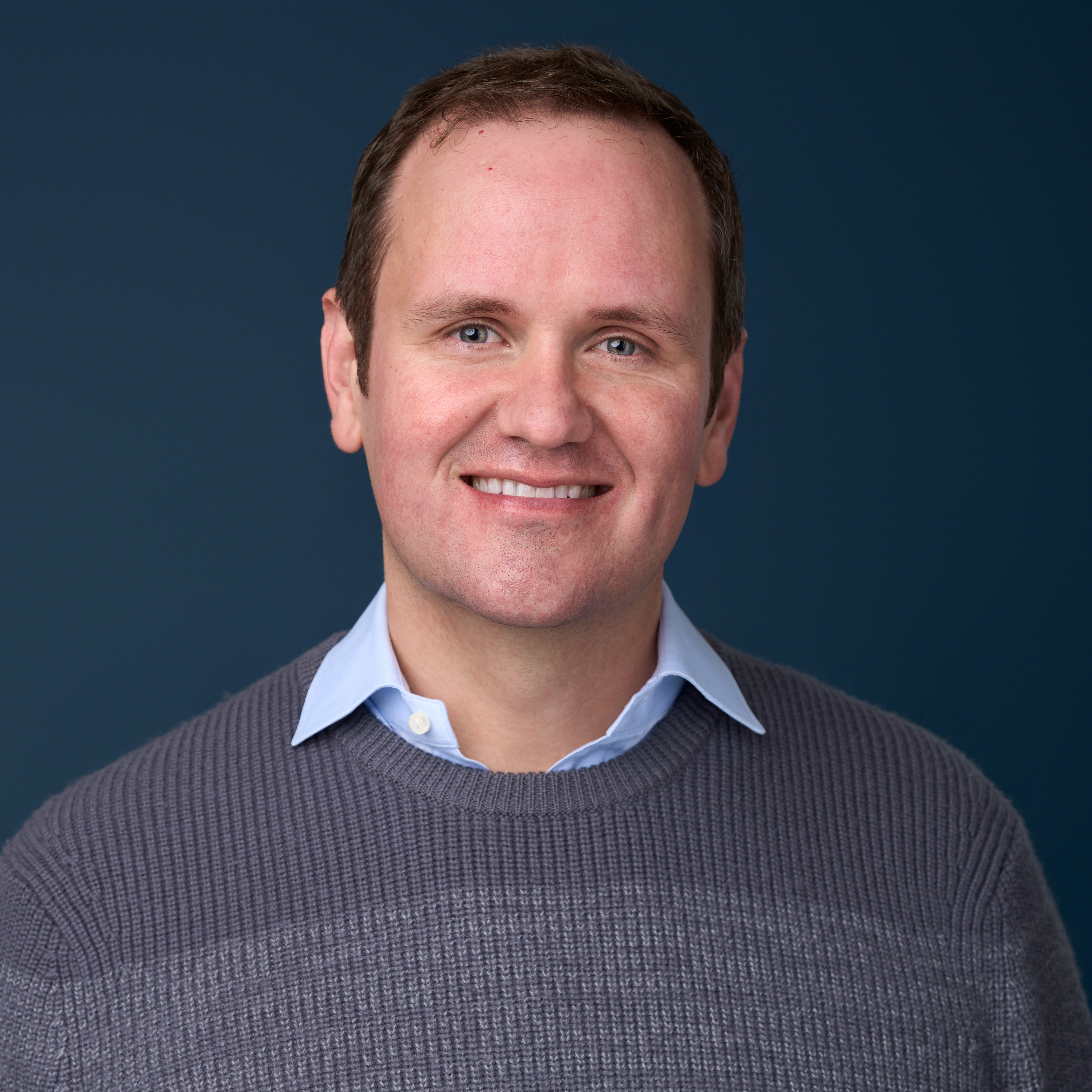
Matthew Gribble, PhD, DABT
Dr. Gribble is an environmental epidemiologist and a Diplomate of the American Board of Toxicology (DABT). He leads a research program in environmental health data science that investigates the influence of climate on chemical exposures, among other themes. This research has included studies on contaminants of seafood/marine biota (both natural toxins and chemical pollution), drinking water contaminants (including arsenic affected by drought, and sodium affected by sea-level rise exacerbated saltwater intrusion), and other poisons (e.g., street drugs like cocaine, opioids, and amphetamine).
This environmental health research portfolio has included observational, modeling, and experimental studies (e.g., clinical trial research). This work has been conducted over a range of geographic settings including collaborations in North America, South America, Europe, and Asia. Over the past decade, Dr. Gribble developed a particularly close collaboration with the sovereign Sitka Tribe of Alaska. This collaboration is focused on paralytic shellfish poisoning (PSP) prevention, through public health oceanographic research. The program has measured PSP toxins in >3,300 samples collected via a regional monitoring program (coordinated by the Southeast Alaska Tribal Ocean Research consortium), and n>280 samples contributed by members of the broader regional community through the “Harvest and Hold” program for food safety testing (though it is worth noting that 69 of those samples were tested at the US National Oceanic and Atmospheric Administration during supply chain shortages in 2021-2022).
While Dr. Gribble is occasionally involved in the design of studies that will collect new data, much of Dr. Gribble’s research work is observational research leveraging existing datasets, often combining separately collected datasets to address novel questions. Dr. Gribble has led secondary data analyses leveraging data from long-term human cohort studies, wildlife biomonitoring and health assessment studies, population-level vital statistics, and datasets of environmental media.
In addition to primary research studies, Dr. Gribble also has applied his training in how to identify and integrate evidence to consolidate knowledge for a variety of climate-relevant topics, including reviews on harmful algal bloom science (ciguatera poisoning and paralytic shellfish poisoning), social science of community efforts to promote environmental justice, drinking water salinity blood pressure impacts (relevant to sea-level rise and saltwater intrusion), mercury health impacts (e.g., associations with heart rate variability), and drinking water contaminants (e.g., bibliometric analysis of emerging contaminant literature).
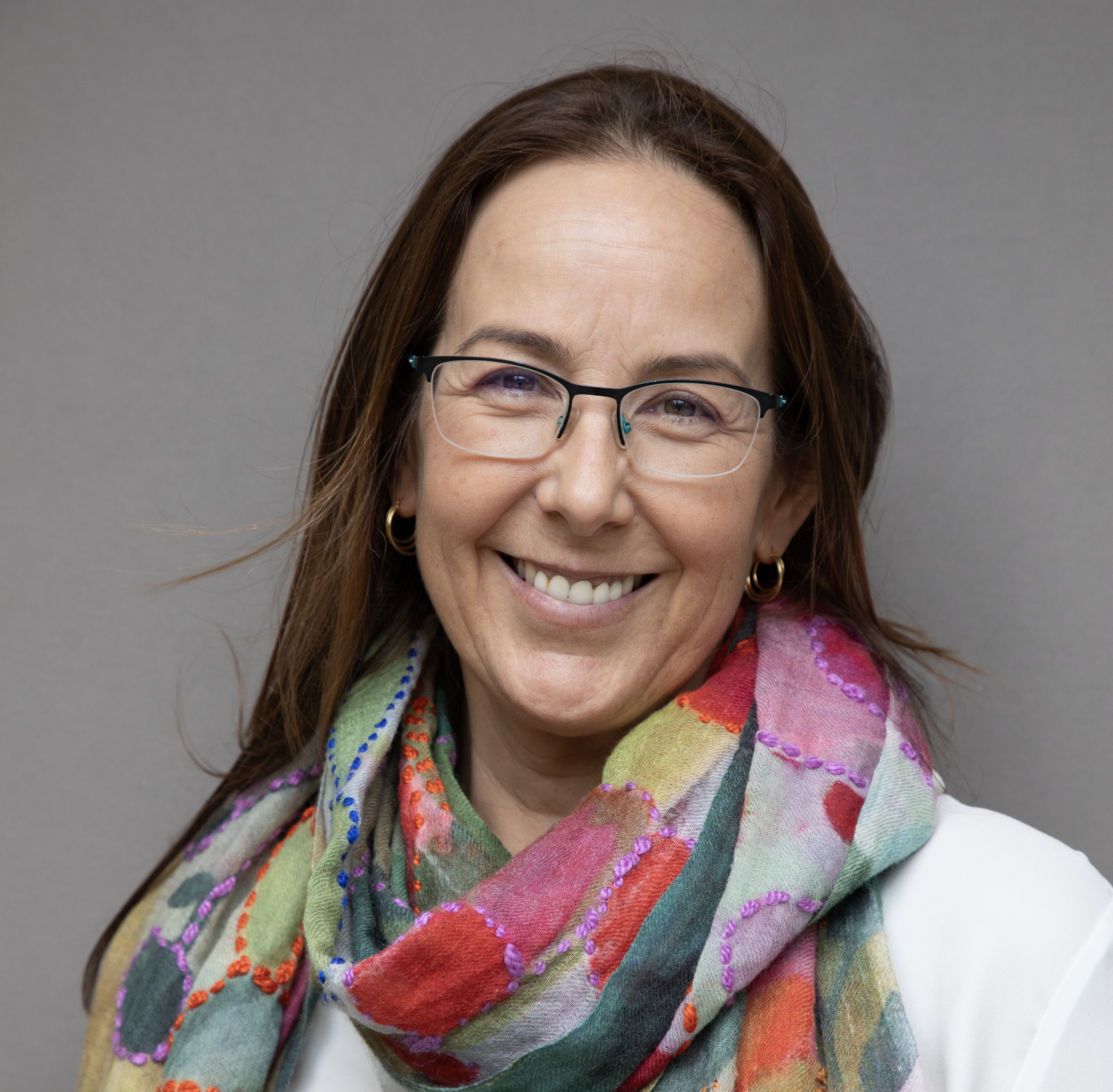
Carisa Harris, PhD, CPE
Carisa Harris, PhD, CPE and her team performs research in a variety of areas focused on understanding and preventing work related injuries and improving human performance, productivity and health. Her epidemiological research assesses and adjusts for healthy worker survivor bias in the assessment of physical, personal and work psychosocial factors associated with Carpal Tunnel Syndrome and subsequent work disability.
Additionally, her team is developing a variety of exposure assessment devices (wearables) for primary and secondary prevention purposes and performs various intervention studies on occupational tasks with high risk of musculoskeletal injuries. The lab has a history of performing research in the construction, computer, medical, hotel and manufacturing sectors.
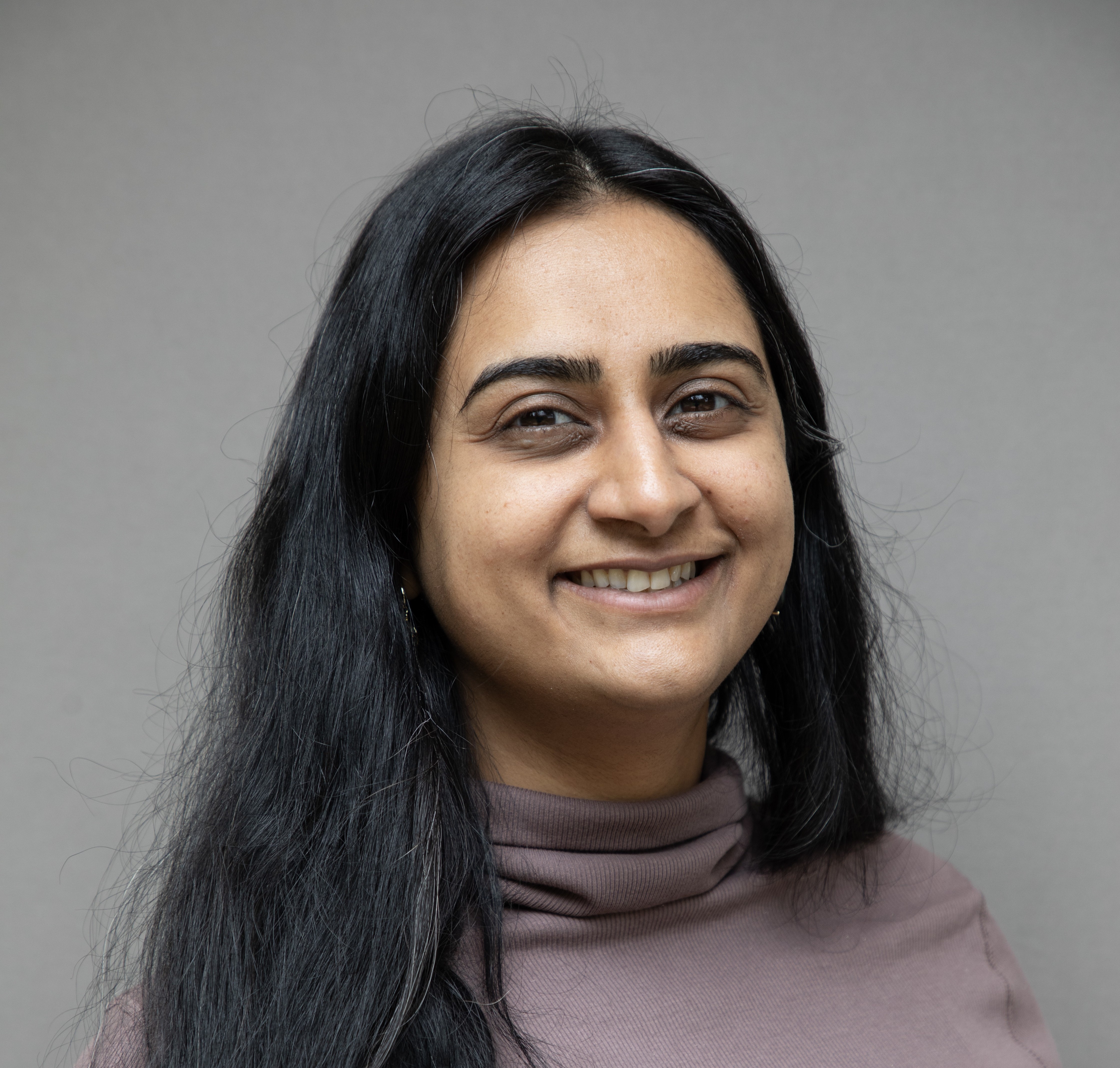
Anu Ramachandran, MD, MPH
Dr. Ramachandran is interested in how to use emerging technologies, including artificial intelligence, to improve access to timely emergency care, particularly for vulnerable communities during environmental disasters, such as wildfires, heat waves and other extreme weather events. Her studies harness big data to examine how location-specific environmental exposures relate to acute care outcomes. She wants to improve our understanding of who ends up in emergency departments during environmental disasters and develop patient-centered technologies to prevent adverse health outcomes and empower resilient communities.
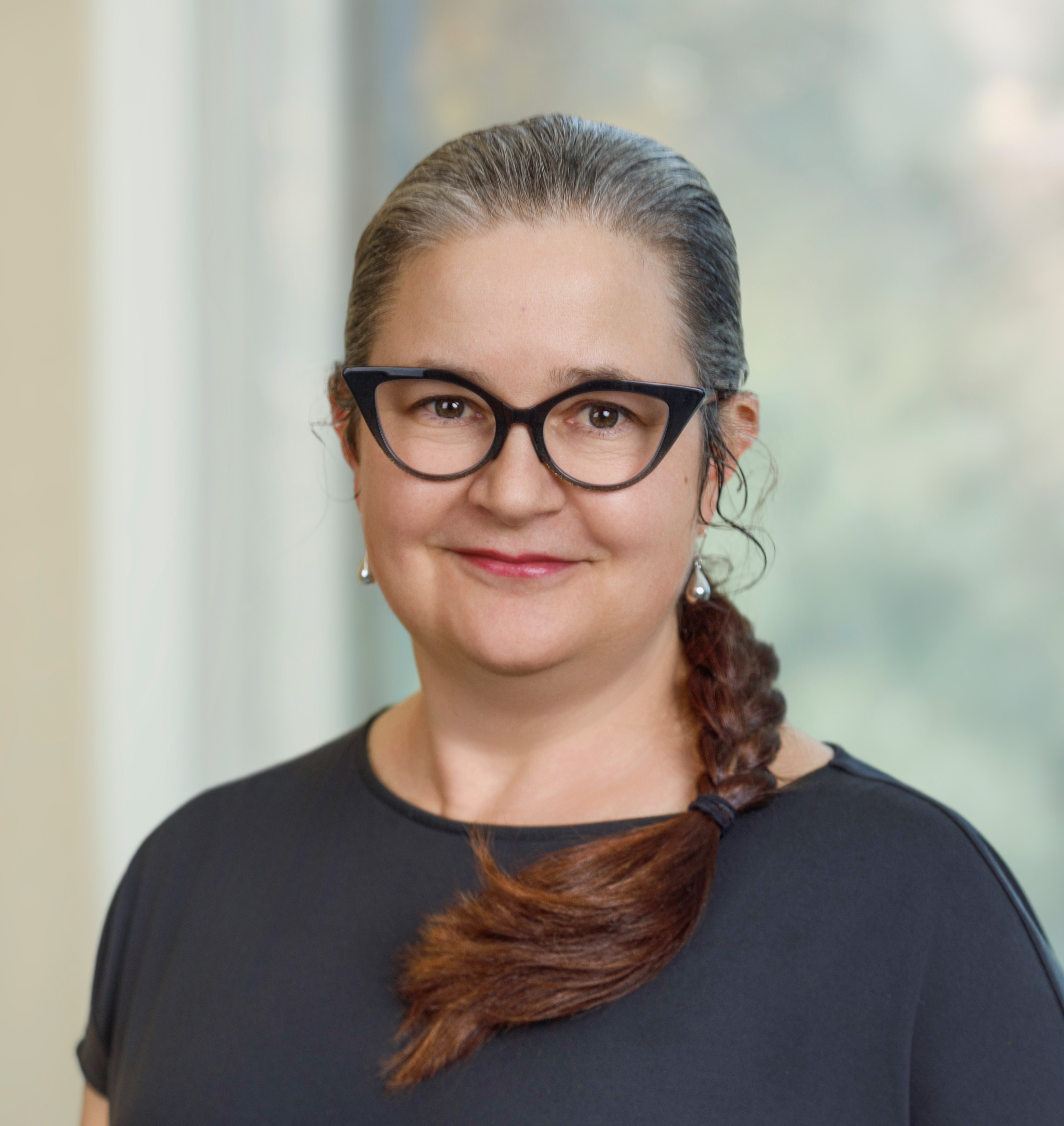
Suzaynn Schick, PhD
Suzaynn Schick, PhD, studies the health effects of exposure to biomass smoke. In her first postdoc, she analyzed the research that US tobacco companies had done on the toxicity of secondhand smoke.
The two main projects in Schick Lab now are a study of air pollution exposure in public places where people are using cannabis and a study of how melanin, in our skin, affects uptake and retention of nicotine and NNK from clothing. To study air pollution from cannabis use, we measure PM2.5 in dispensary smoking lounges, at cannabis festivals, concerts, street fairs and bars. Our research has shown that when people are actively smoking, vaping or dabbing cannabis, the PM2.5 concentrations usually reach concentrations that are hazardous to human health.
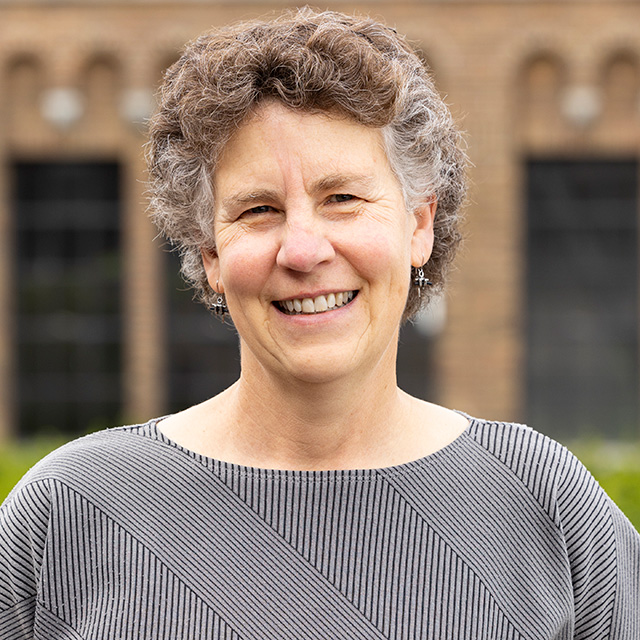
Gina M. Solomon, MD, MPH
Dr. Solomon’s research has included cumulative impacts of environmental and social stressors in multiple communities, farm worker health, new approaches in exposure science, toxicology and risk assessment, drinking water quality, air pollution, pesticides, environmental contaminants after floods and fires, and strategies for reducing heat-stress.
Dr. Solomon has served as a consultant on environmental health issues, and as an expert on panels for the National Academy of Sciences, and for multiple federal, state and regional agencies.