
Grow Grant Advisory Committee
Grow Grant Advisory Committee
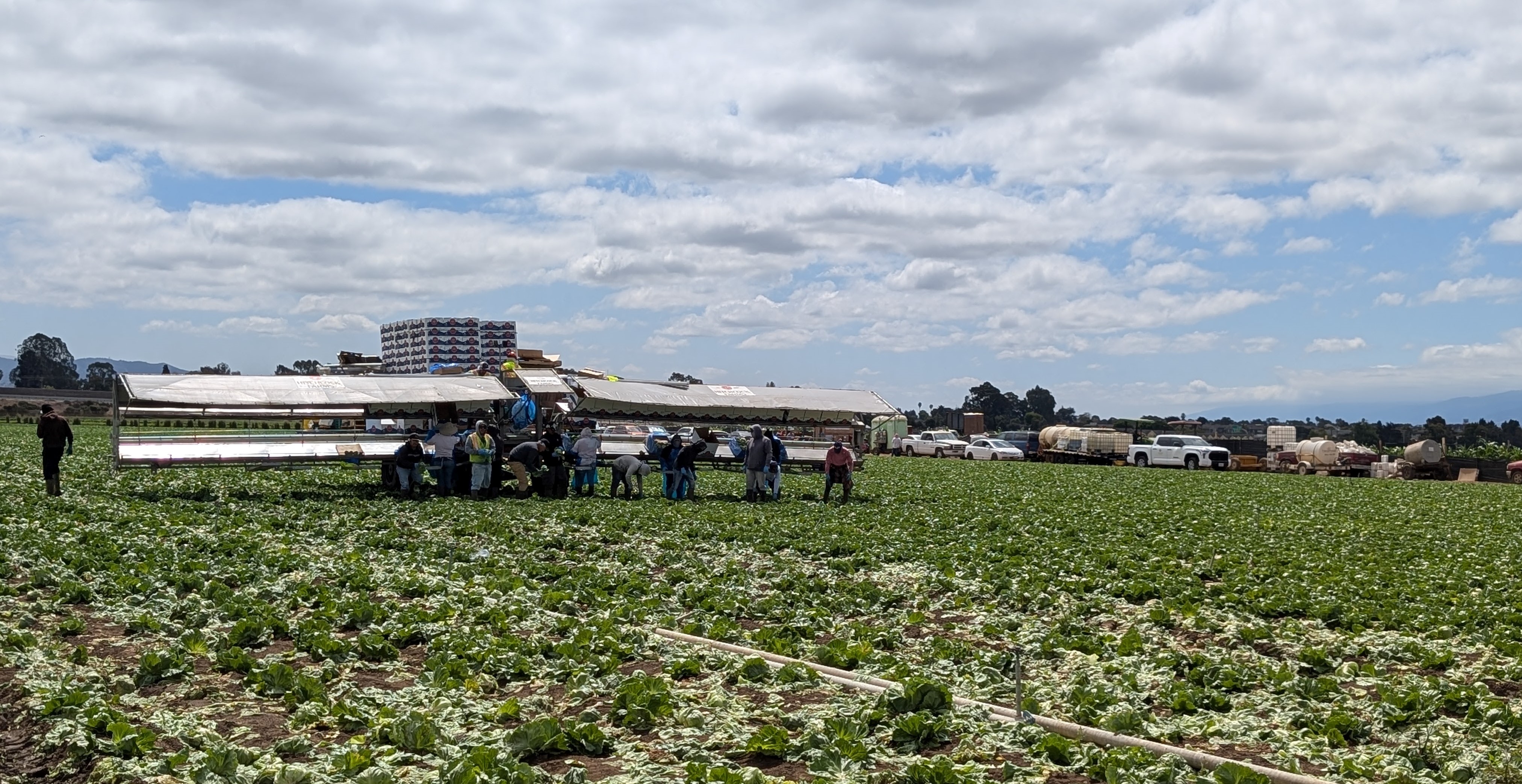
Click the plus sign to read a short bio on each of the team and committee members.
UCSF Grow Grant Team
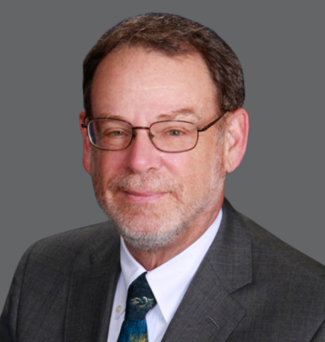
Robert Harrison, MD, MPH
Robert Harrison, MD, MPH is Clinical Professor of Medicine in the Division of Occupational and Environmental Medicine at the University of California, San Francisco.
Dr. Harrison earned his MD degree from the Albert Einstein College of Medicine in New York; and his MPH degree from the University of California, Berkeley. His research interests include effective public health methods for collecting and analyzing workplace injury and illness data; investigating new and emerging occupational diseases; and the prevention of work-related fatalities.
In 1984, he founded and directed UCSF Occupational Health Services, where he has diagnosed and treated thousands of cases of workplace injury and disease. He served as the first physician appointed to the California Safety and Health Standards Board, and as President of the Council of State and Territorial Epidemiologists.
Dr. Harrison is Associate Director of the UCSF Occupational Medicine Residency Program, and supervises students in nursing, industrial hygiene, and public health at both UCSF and UC Berkeley.
He has served on numerous committees and advisory boards, and has authored and co-authored more than 75 refereed publications, book chapters, and government reports. He is currently co-editing one of the major texts in the field of occupational and environmental medicine.
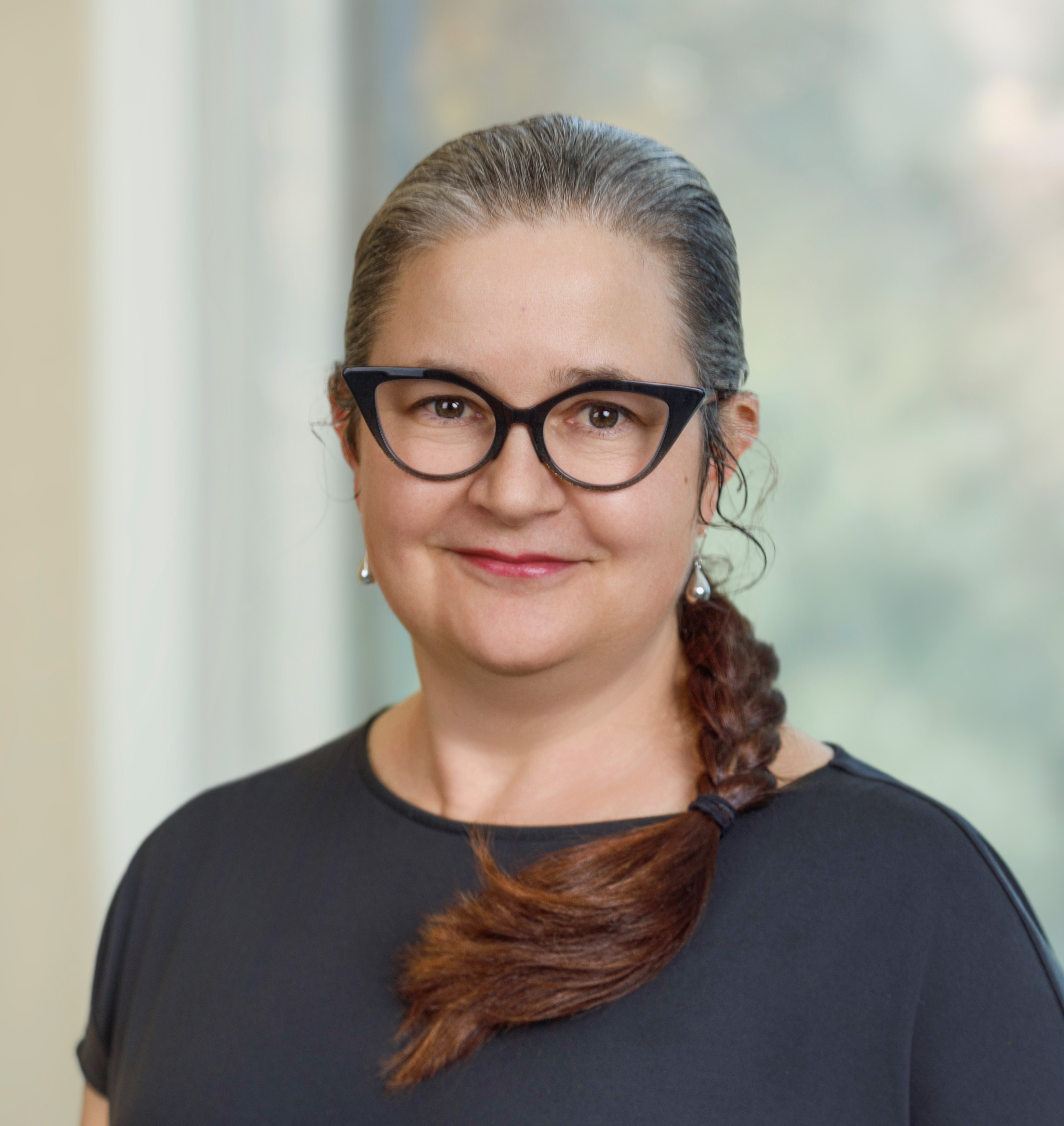
Suzaynn Schick, PhD
Suzaynn Schick, PhD, studies the health effects of exposure to biomass smoke. In her first postdoc, she analyzed the research that US tobacco companies had done on the toxicity of secondhand smoke.
The two main projects in Schick Lab now are a study of air pollution exposure in public places where people are using cannabis and a study of how melanin, in our skin, affects uptake and retention of nicotine and NNK from clothing. To study air pollution from cannabis use, we measure PM2.5 in dispensary smoking lounges, at cannabis festivals, concerts, street fairs and bars. Our research has shown that when people are actively smoking, vaping or dabbing cannabis, the PM2.5 concentrations usually reach concentrations that are hazardous to human health.
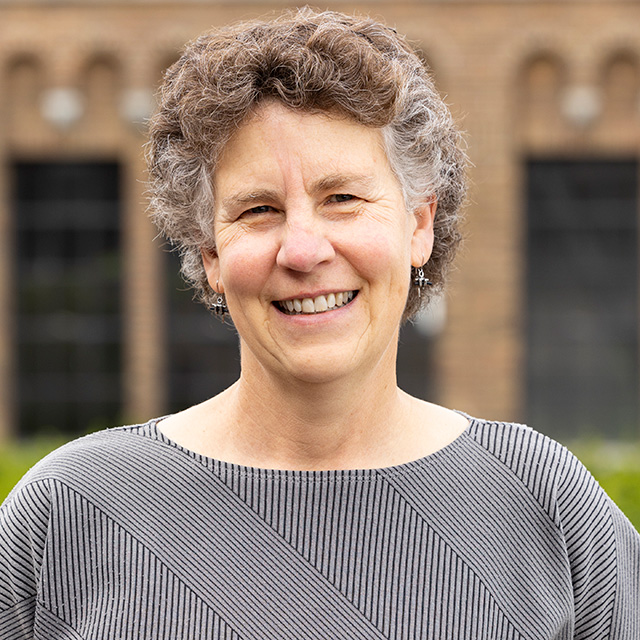
Gina M. Solomon, MD, MPH
Gina Solomon, MD, MPH, research has included cumulative impacts of environmental and social stressors in multiple communities, farm worker health, new approaches in exposure science, toxicology and risk assessment, drinking water quality, air pollution, pesticides, environmental contaminants after floods and fires, and strategies for reducing heat-stress.
Dr. Solomon has served as a consultant on environmental health issues, and as an expert on panels for the National Academy of Sciences, and for multiple federal, state and regional agencies.
Advisory Committee Members

Yelisa Ambriz, MPH
Yelisa Ambriz is a Central Valley based advocate for farmworkers and a public health professional who will be graduating from her Master of Public Health (MPH) program from UC Berkeley on Fall 2026. Drawing on her experience growing up alongside her family in California’s agricultural fields, Yelisa is committed to advancing the health, safety, and economic well-being of farmworker communities.
Yelisa works with the Central California Environmental Justice Network (CCEJN) and the California Farmworker Coalition, where she elevates farmworker voices in policy discussions on workplace safety, labor protections, environmental justice, and economic equity. She has testified before the California Legislature about the many challenges that farmworkers face, such as reporting workplace health, safety violations, fear of retaliation, language access, and difficulties navigating state enforcement systems. In 2025, Yelisa authored a reader’s opinion article in Fresno Bee, advocating for a living wage for California farmworkers.
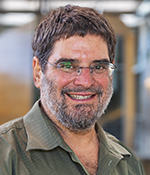
Asa Bradman PhD
Asa Bradman, PhD, is an expert in exposure assessment and epidemiology focusing on occupational and environmental exposures to pregnant women, children, and families living in rural and urban communities. In 1998 he co-founded the Center for Environmental Research and Children's Health (CERCH) at UC Berkeley and in 2020 Bradman joined the faculty at UC Merced.
Bradman leads exposure and epidemiologic studies examining pesticides, flame retardants, metals, emerging pollutants, VOCs, air quality and other contaminants. He participates in extensive community outreach and education and interfaces with other scientists, state and federal agencies, policy makers and industry. In the past, he was a member of the California Biomonitoring Scientific Guidance Panel (appointed by Governors Schwarzennegger in 2007, Brown in 2013), and served a five-year term on the USDA National Organic Standards Board (2017-2022).
Bradman has harvested grapefruits and apples for export, worked on a chicken farm, and was the produce manager for a small grocery store. He currently participates on the California Department of Pesticide Regulation (DPR) Scientific Prioritization and Review Committee (SPARC), which provides science-based recommendations to DPR with the goal to reduce and eliminate adverse health and environmental impact associated with pesticide use.
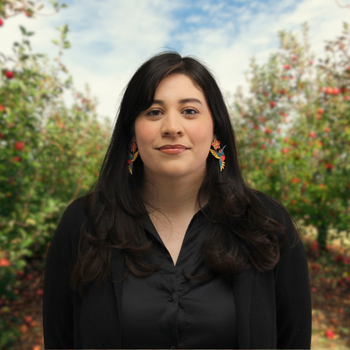
Yunuen Ibarra
Yunuen Ibarra is the Director of Programs at Líderes Campesinas, a California nonprofit that empowers farmworker women and youth across the state. She earned her degree in Anthropology with a minor in Ethnic Studies from California State University San Marcos. Through her work, Yunuen advances advocacy, education, and community leadership to support and strengthen farmworker communities.
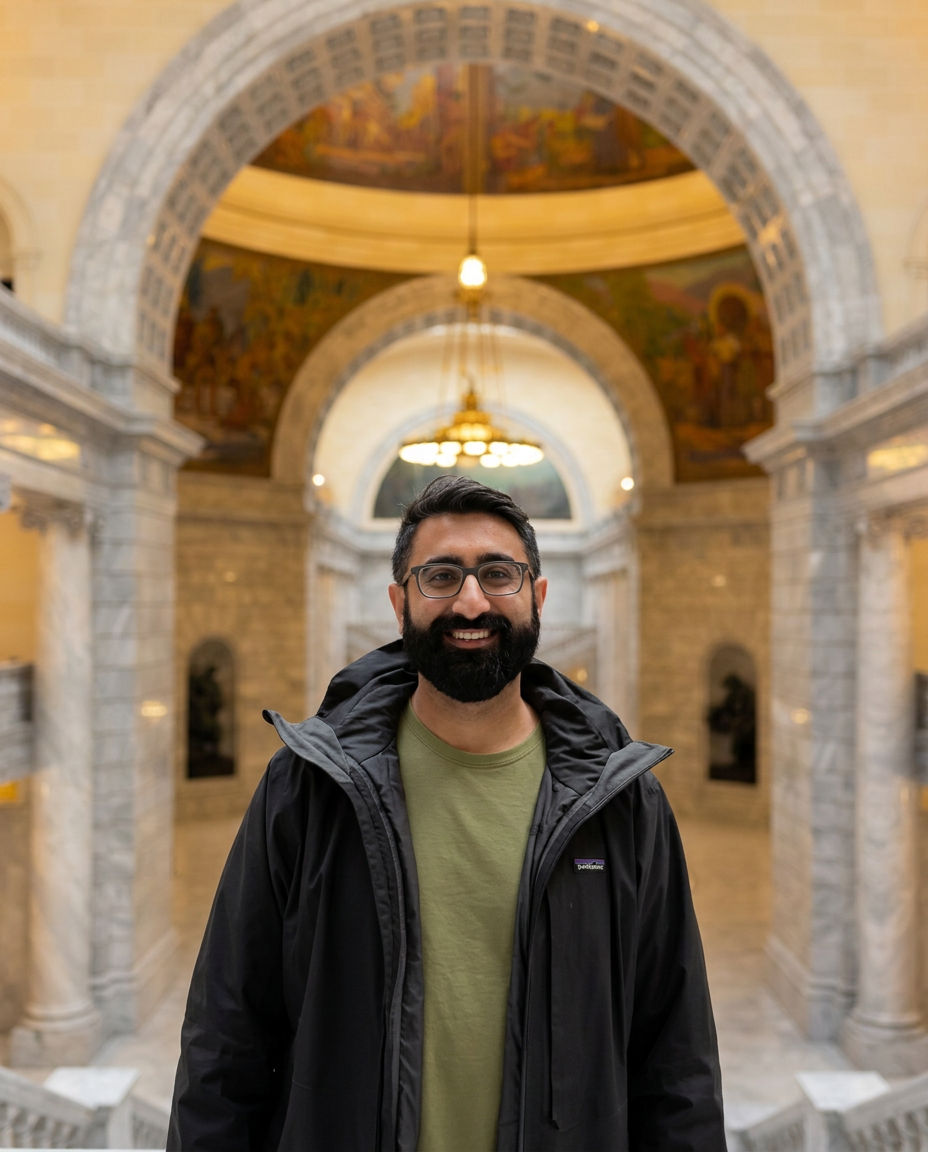
Rupesh Patel, MD, PhD, MPH
Rupesh Patel, MD, PhD, MPH, is an Occupational and Environmental Medicine (OEM)-trained physician and medical director for ProActive Work Health Services in Salinas, California, where he cares for workers in the agricultural industry and other underserved populations. He also serves as vice-chair of ProActive's Medical Advisory Committee, where he helps advance clinical quality and patient care.
Dr. Patel serves as the site director for the UCSF rotation in Salinas, providing trainees with experience caring for underserved populations and gaining a deeper understanding of the occupational and environmental health challenges facing agricultural workers and their communities.
He completed his OEM residency at UCSF in 2025 and has a particular interest in improving health outcomes among underserved and vulnerable populations. During his training at UCSF, Dr. Patel conducted research examining the effects of ambient air pollution on respiratory function among children in Fresno, California. In 2024, this research received the Best Original Research Award at the Western Occupational Health Conference (WOHC). Dr. Patel completed his Master of Public Health at the University of California, Berkeley, his Doctor of Medicine at Northwestern University, and his Doctor of Philosophy in biology at Harvard University.
Through his clinical, research, and educational work, Dr. Patel brings experience at the intersection of occupational health, environmental exposures, and the health needs of agricultural workers and other underserved communities. As a member of the UCSF GROW (Growing Resilience and Occupational Wellness) Grant Community Advisory Committee, he provides a clinical and community-informed perspective to help guide training, workforce development, and partnerships aimed at strengthening occupational and environmental health services for underserved worker populations.
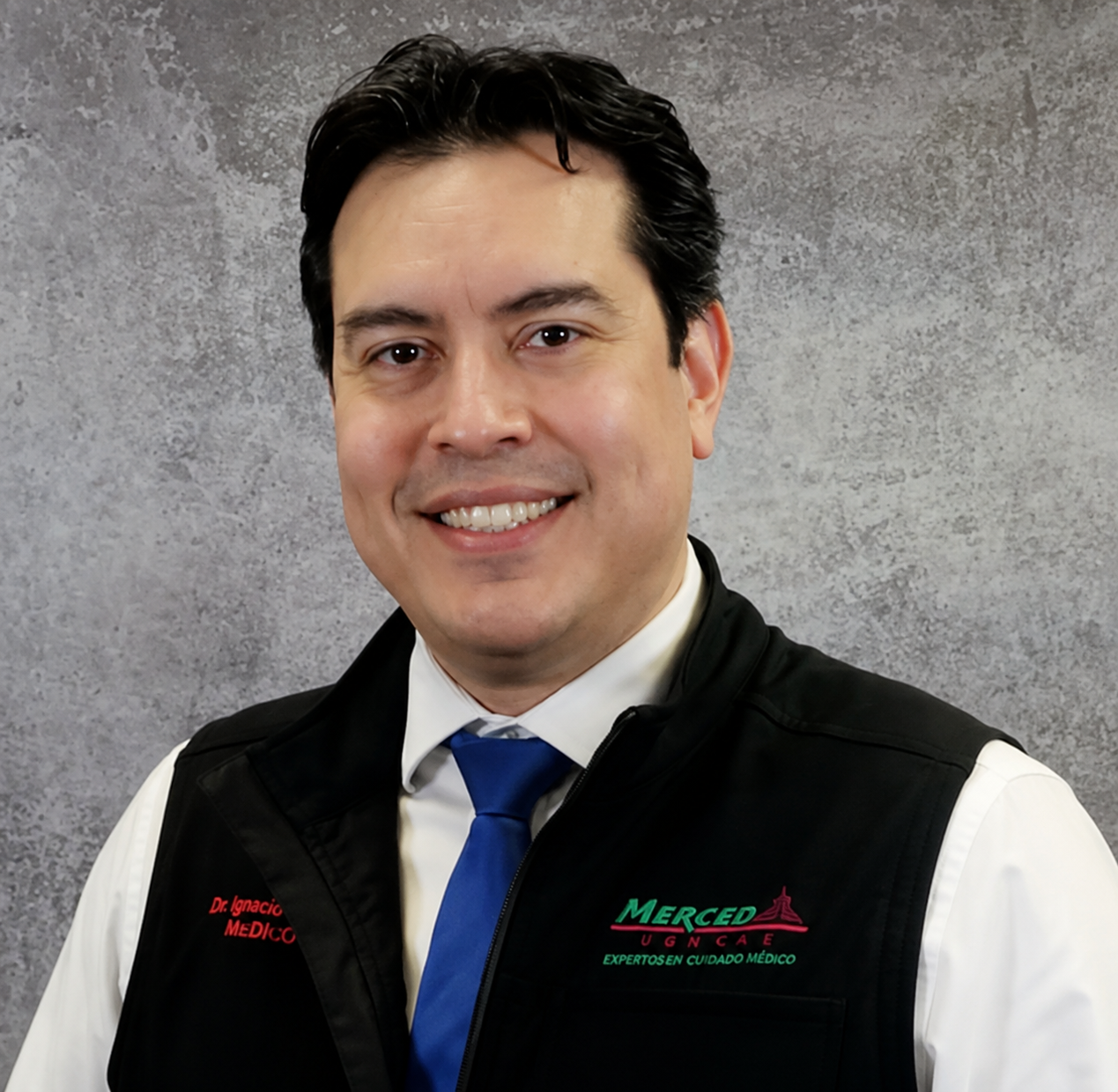
Ignacio A. Santana, MD, MPH
Ignacio A. Santana, MD, MPH, is the County Health Officer for the Merced County Department of Public Health, and a specialist in Occupational and Environmental Medicine (OEM). Dr. Santana earned his Master of Public Health (MPH) from UC Berkeley while completing his residency training at UC San Francisco in 2023.
Inspired by his parents’ work in agriculture, Dr. Santana developed a focus on OEM and the health of underserved communities. In Dr. Santana's role with Merced County, he integrates public health, preventive medicine, and OEM health to address the community's health needs. His work includes communicable disease prevention, emergency response, and connecting vulnerable populations with essential health services. Dr. Santana is also committed to strengthening partnerships with UC Merced and expanding public health and medical training opportunities throughout the Central Valley.

Ximena P. Vergara, PhD, MPH
Ximena P. Vergara, PhD, MPH is an adjunct assistant professor in the department of Epidemiology at UCLA. Dr. Vergara developed her interest in occupational and environmental epidemiology at UCLA. Prior to graduate school, she worked over ten years in analytical chemistry laboratories within private industry. She draws from over ten years of epidemiologic experience focused on rare neurodegenerative diseases and childhood cancers, she has a keen interest in exposure assessment and epidemiologic methods within the context of occupational and environmental epidemiology studies.
Dr. Vergara has worked in an industrial hygiene capacity on various projects within governmental and environmental consulting organizations. Her current work centers on occupational health, infectious diseases and climate change.